
14 Useful Techniques to Know How to Free Up Disk Space
No matter what size your hard drive is. It also doesn’t matter how many empty terabytes you’d when you initially bought your personal computer — you always seem to be to complete it to the brink? You need to know “how to free up disk space” for this purpose.
If you are bumping up against your PC’s physical safe-keeping limit, there are a few quick techniques you may use to reclaim several gigs. But these options to see how to free up disk space is only going to take you up to now. If you desire a great deal of space, you may want to upgrade your hardware. Also, you can consider deleting some of those organic image files.
How to Free Up Disk Space
These steps to know how to free up disk space should help you free up space for important documents and programs by detaching the unimportant rubbish cluttering up your hard disk drive.
1 – Empty the Recycle Bin
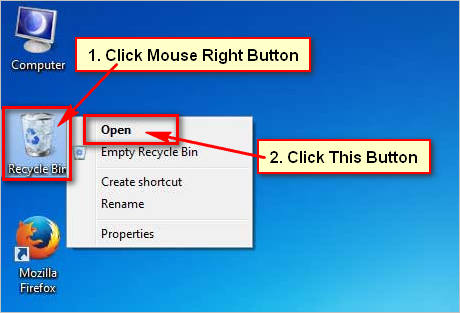
After you delete items, like data files and photographs, from your personal computer, they don’t really immediately get erased. Instead, they sit down in the Recycle Bin. They continue steadily to take up valuable hard-drive space. To clear the Recycle Bin, go to your desktop, right-click on the Recycle Bin and click Empty Recycle Bin. You will notice an alert pop-up requesting if you’re sure you want to forever erase your Recycle Bin items. Click “Yes” to move forward.
2 – Disk Cleanup
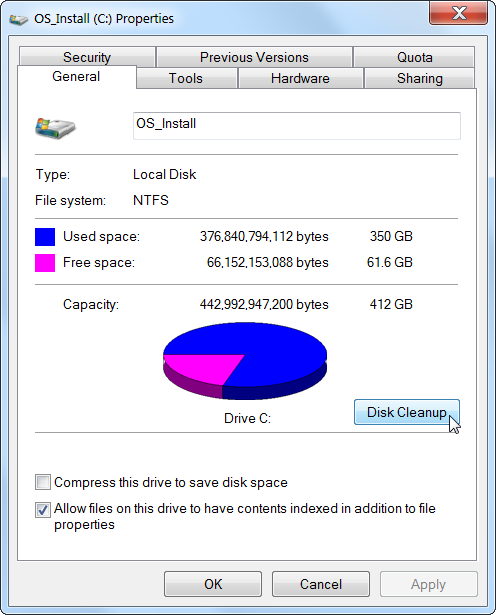
To see how to free up disk space, you need to know windows too. Windows carries a built-in tool that deletes momentary data and other unimportant data. To gain access to it, right-click one of your hard disks in the Computer window and choose Properties.
Moreover, Delete Your $WINDOWS.~BT File As It Takes Huge Space
Moreover, you can just seek out Disk Cleanup in the Start Menu.

Click on the “Disk Cleanup” button in the drive properties window.
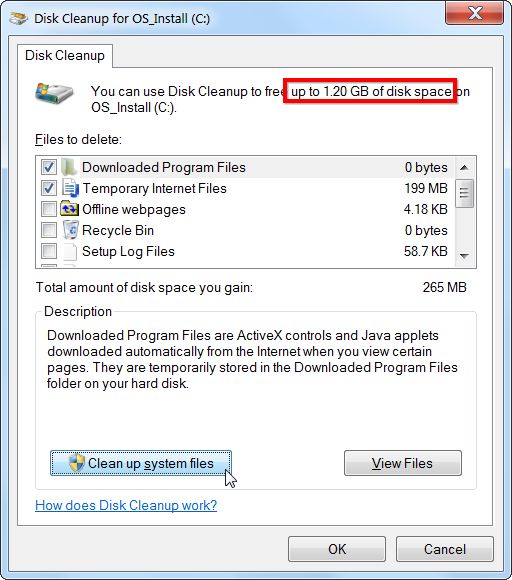
Choose the types of data you want to erase and click OK. This includes momentary files, log data files, documents in your recycle bin, and other unimportant data. You can even clean up system documents. They don’t come in the list here. Click on the Clean up system data files button if you too want to erase system files.
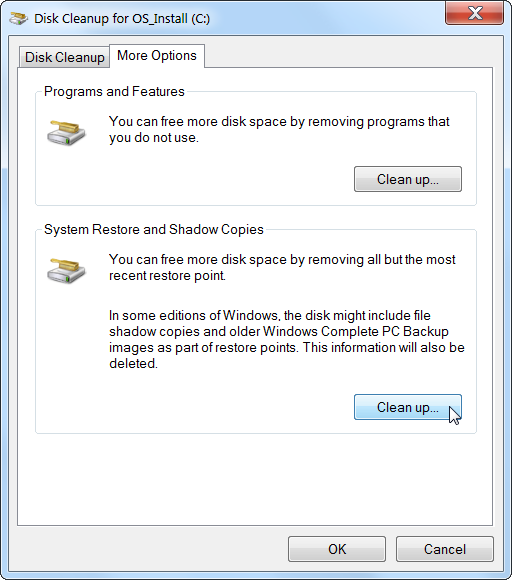
Once you do, you can click on the More Options button. After that use the Cleanup button under System Restore and Shadow Copies to erase system restore data. This button deletes all, however, the latest restore point. So make sure your computer is working properly before deploying it.
3 – Delete Temporary and downloaded files
Windows’ Disk Cleanup tool is vital to know how to free up disk space. But it generally does not delete short-term data employed by other programs. For instance, it will not clear Firefox or Google web browser caches. It may use gigabytes of hard disk drive space. Your internet browser cache uses hard disk drive space. The purpose is to save lots of your time when being able to access websites in the foreseeable future. But this is little comfort if you want the hard disk drive space now.
For more extreme short-term and rubbish record cleaning, try CCleaner. CCleaner cleans rubbish files from a number of third-party programs. It also cleans up Windows data files that Disk Cleanup won’t touch. It is a useful technique to identify how to free up disk space.

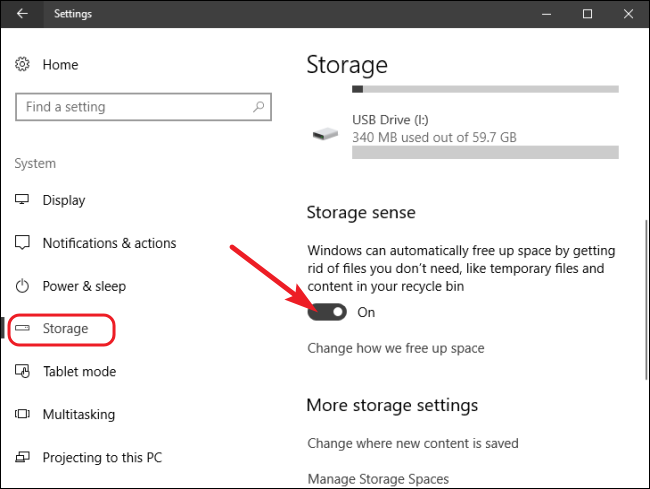
4 – Start Storage Sense
When you have modified to Windows 10 Makers Upgrade, then let Windows help you with freeing up drive space. Return to the Safe-keeping page in Configurations and toggle on Storage space sense. Now, Windows will automatically erase unused short-term data files, as well as data files which have experienced the Recycle Bin for more than thirty days. I’m very good with emptying the Recycle Bin on something getting close to a regular program. But I’m also happy to get Windows locate and get rid of needless temp data files. Use windows also to know how to free up disk space.
5 – Save documents to a new drive
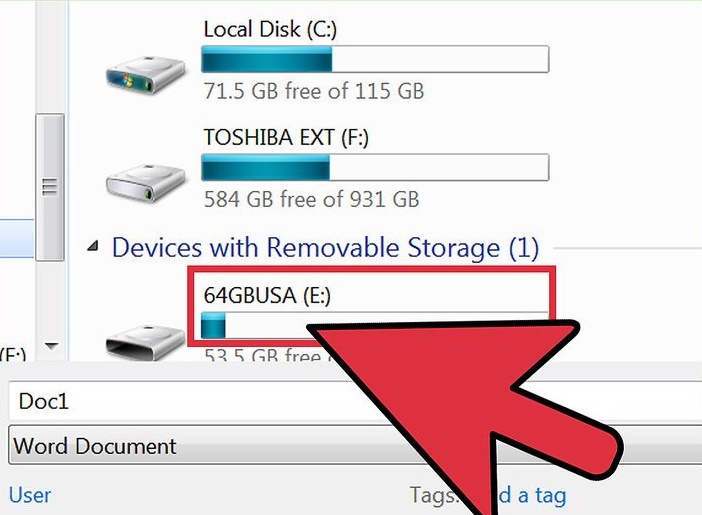
If your personal computer has multiple hard disks or a partitioned hard drive, you might find yourself working out of space using one drive (or partition). Fortunately, you can fix this by changing your default save locations for apps, documents, music, pictures, and videos. To get this done, open the Configurations menu and go to System > Storage area. Under Save locations, decide on a different drive for each and every one of the categories. You could choose any drive. You can use a good removable drive, just like a USB adobe flash drive. You have to link it to your personal computer. Using external memory is good to see how to free up disk space.
6 – Disable hibernate
Rather than shutting down your personal computer completely, you can say in hibernate. It is a quasi-shutdown declare that gives you to startup faster. Whenever your computer switches into hibernate, it will save you a snapshot of your data and individuals before shutting down. However, it will take up space. If starting up quickly isn’t your goal, you can reclaim some valuable hard drive space by disabling hibernate totally, because of the hiberfil.sys file calls for up 75 percent of your PC’s installed RAM. It means that if you have 8GB of Memory, you can clear up 6GB instantly by disabling hibernate. This trick is best to know how to free up disk space.
7 – Uninstall apps
You probably involve some software and programs on your computer you do not use. You may have programs you’ve installed and ignored about. Or you have bloatware that came up preinstalled on your pc from the maker. To learn which programs are taking up space, start the Options menu and go to System > Apps & features and choose Kind by size. To uninstall an app out of this menu, click on the app and then click Uninstall. This will help you to recognize how to free up disk space.

If you’re operating legacy programs on Windows 10, you might not exactly see them on this list. Some appear, however, many do not. To get these programs, right-click the Start button and click Control Panel. Head to Programs and Features to visit a set of the legacy programs on your pc. You can also sort out this list by program size. To uninstall an application out of this list, left-click it to choose it and click Uninstall.
Windows 10’s default software — like the Maps app, OneNote app, and Photographs software — don’t take up a great deal of space. Nonetheless, they do take up some space. Have a look at our guide how to uninstall default software here.
8 – Store data files in the cloud
Invest the good thing about cloud storage space via OneDrive or another service. You are probably double-storing documents and images. Well, you don’t need to do that. All cloud storage space services enable you to choose which folders are in reality downloaded and preserved to your personal computer (as well as in the cloud).
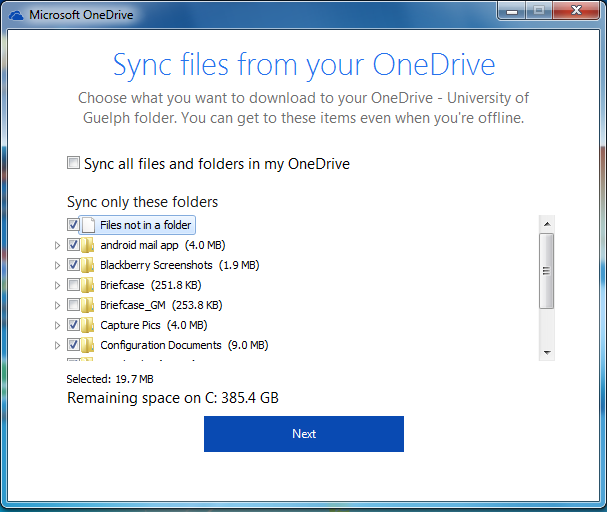
Right-click on the OneDrive icon in one’s body holder and pick the Settings. Within the Account tabs, next to Choose folders to sync to the device, click Choose folders. Choose the folders you want to synchronize (read: save immediately) to your device. Also, deselect any folders you don’t want to sync to your device. If you are done selecting or deselecting folders, click Acceptable. The folders you didn’t choose to sync to your device will be taken off your hard drive, freeing up space. It is still able to gain access to the data in these folders from the OneDrive site in virtually any Browser. They just will not be kept on your hard drive.This technique is excellent to see how to free up disk space.
9 – Assess Disk Space
To learn just what is using space on your hard drive, you may use a hard drive evaluation program. These applications check out your hard drive and screen exactly which data files and folders are taking up the most space. If you’d like one to start out with, try WinDirStat. It is ideal to know how to free up disk space.
After scanning, WinDirStat teaches you exactly which folders, record types, and documents are employing the most space. Make sure you don’t erase any important system data files – only delete personal documents. If you visit a program’s folder in this program Documents folder using a sizable amount of space, you can uninstall that program. The WinDirStat can let you know the amount of space an application is using, even if the Programs and Features Control Panel doesn’t.

10 – Find Duplicate Files
You should use a duplicate-file-finder request to check out your hard drive for duplicate data. They are needless and can be removed. You should use the VisiPics to banish duplicate images.
Moreover, 4 Simplest Methods to Know How to Password Protect a Folder
Unless your brain spending a few dollars, you may use Duplicate Cleaner Pro. It is not only has a nicer user interface but has a lot of extra features to support you in finding and erase duplicate files.
11 – Decrease the Amount of Space Intended for System Restore
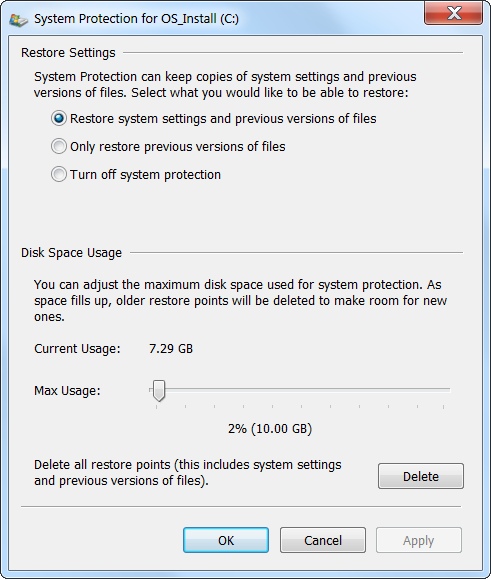
If System Restore is eating up a great deal of hard drive space for restore items, you can decrease the amount of hard disk drive space assigned to System Restore. The trade-off is you should have less restore details to restore one’s body from and less early copies of data files to revive. If these features are less important for you than the hard disk drive space they use, go on and free a few gigabytes by minimizing the quantity of space System Restore uses. This will aid you to see how to free up disk space.
12 – Defragment your HARD DISK DRIVE
When adding a fresh file to your personal computer, a particular part of your hard drive is assigned to store the document. However, after constantly keeping and deleting data, a disk can be ‘fragmented’. It means that there are spaces on your hard drive where following files wouldn’t normally fit. So they may be left vacant.
As well as inside your functional free space on your hard drive, fragmentation also offers a negative effect on your computer’s potential to store your computer data in the collection, hence slowing its speed.
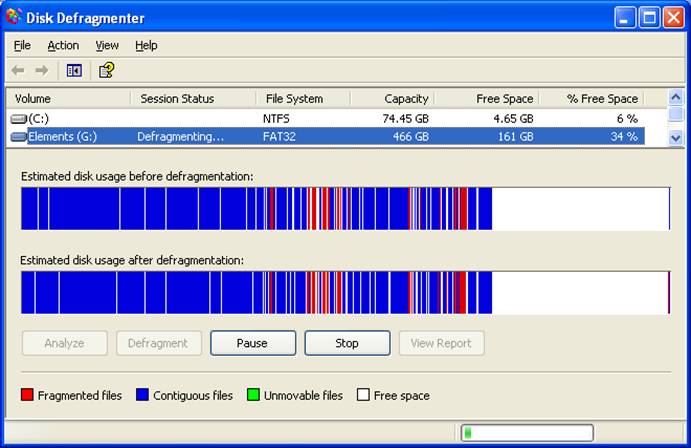
Thankfully, Windows has us protected, providing a ‘Disk Defragmentation’ tool. By using this tool, we can analyze which of your drives would reap the benefits of defragmentation, before we invest in defragging. That is very useful, just like you have a huge drive packed with data, it might take a large amount of a chance to defrag. This tool is vital to know how to free up disk space.
To use this tool, struck your Windows icon, or Start menu. After that start keying in “Defragment”. From search list, click Disk Defragmenter. Once you start to see the tool’s window, you can choose each drive. After that analyses these to determine what ratio of these is fragmented. Higher percentages suggest higher fragmentation.
To defragment your drive, just strike “Defragment Disk“.
Note:
- It isn’t suggested to defragment your hard drive all too often, as the regular writing and erasing of data can decrease the life expectancy of your hard drive.
- It could also be well worth directing out that there’s been some debate concerning whether defragmentation of SSDs (solid-state drives) is effective or damaging to the drive.
13 – Sufficient RAM
Ram memory is the hardware in your personal computer which determines the way you store data. Memory stores data or instructions that you use frequently, providing fast read or write techniques to increase the general swiftness of your personal computer experience.
Appears to be great, right? Right. However, unless you have sufficient Ram memory, your personal computer will learn to store the overflow of information that ought to be stored in Ram memory, on your hard drive instead. Then, whenever your computer wants to learn or write this data, this can be a much slower process between hard drive-computer than RAM-computer.
For this reason, ensure that you have sufficient Memory for the operations that you generally do on your pc. It might be worth directing out that the common user, whose plan may be wording editing and enhance and web surfing around, won’t require just as much Memory as a consumer who frequently operates multiple programs simultaneously including photography or video editing and enhancing and making software. It will aid you to learn how to free up disk space.
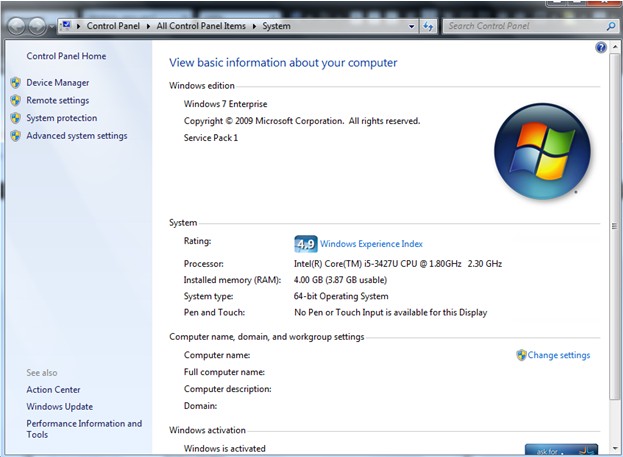
You’ll find out how much Memory you now have installed on your personal computer by heading to Computer > Properties.
14 – Disable System Restore
If lowering the quantity of space System Restore uses isn’t sufficient for you, you can disable System Restore totally. You will be out-of-luck if you want to use System Restore to revive any file to a youthful point out. Use this technique carefully although it is good to know how to free up disk space.