
System Error Memory Dump files Deletion for More Space
Whenever your system incurs some error (like BSOD), it gathers a duplicate of your computer’s memory during the crash to help detect what brought on the discrepancy. A couple of various kinds of memory dumps your personal computer makes to assist in the debugging process. They all make the system error memory dump files. You may delete the “system error memory dump files” to free up your space.
Knowing Types of System Error Memory Dump Files
Complete memory dump:
This is actually the biggest kind of memory dump possible. This consists of a copy of all data employed by your operating system in the physical memory. So for example, if you offer an 8GB of Ram memory and Windows was using 4GB during the crash, the memory dump will be of 4GB.
Small memory dump (256 Kb):
This is actually the smallest memory dump possesses hardly any information. It really is helpful in determining the error but pays to when wanting to debug a difficulty.
Kernel memory dump:
This memory dump is 1/3rd how big is your physical memory. It only includes the memory assigned to the Windows Kernel and hardware abstraction level. This also contains the memory assigned to kernel-mode individuals and other kernel-mode programs.
Auto memory dump:
This provides the identical size of memory of Kernel memory dump.
Windows saves each one of these memory dumps in form of System Error Memory Dump files in your local disk C. The disk cleanup energy may be used to erase these files and make the safe-keeping usable. The system error memory dump files can gather as time passes and even reach how big 100GB is. However, many users reported that the disk cleanup electricity failed to erase the mandatory files.
The Disk Cleanup tool incorporated with Windows can easily remove various system files and release disk space. However, many things like “Windows ESD installation Files” on Windows 10 probably must not be removed.
Generally, the things in Disk Cleanup is safe to erase. But, if your personal computer isn’t working properly, deleting many of the system error memory dump files may prevent you from uninstalling improvements, rolling again your operating system. Or perhaps troubleshooting an issue, so the system error memory dump files are convenient to keep around if you have the area.
Disk Cleanup
You can establish Disk Cleanup right away menu-just seek out “Disk Cleanup“. It’ll immediately check for files it can erase and screen a list for you. However, this just shows system error memory dump files you can erase with your present end-user account’s permissions. The Disk Cleanup tool ‘s been around for a long time and was created to enable you to easily remove old and needless files that can clog up your hard disk; it is the perfect place for Microsoft to include the new Windows Revise Cleanup feature, which was created to weed through the WinSxS folder and eliminate waste materials.
If you do administrator usage of the computer, you will want to click “Clean UP System Files” to see a complete set of files you can erase.
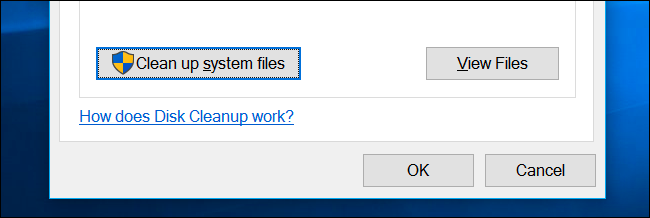
To remove several files, check it. To help keep several files, ensure it’s unchecked. You will see the utmost amount of data you can erase near the top of the window. And exactly how much space you’ll actually save in the bottom. Click “OK” after you’re done selecting data and Disk Cleanup will erase the types of data you want to eliminate.
Windows ESD Set up Files ARE ESSENTIAL
On Windows 10, there’s now a “Windows ESD installation files” option here. Deleting it can free a few gigabytes of hard disk space. That is probably the main option on the list, as deleting it might cause you problems.
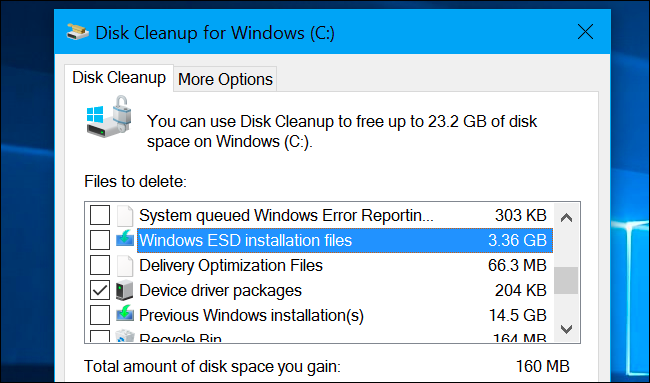
These ESD files are being used for “resetting your personal computer” to its manufacturing plant default settings. If you erase these files, you should have more disk space-but you will not possess the files essential to reset your personal computer. You may want to download Windows 10 assembly media should anyone ever want to reset it.
Moreover, 5 Techniques to Solve Old or New Hard Drive Not Showing Up
We recommend not deleting this if you don’t frantically need the few gigabytes of hard disk space. Deleting this can make your daily life harder should anyone ever want to utilize the “reset your personal computer” feature in the foreseeable future.
THE REST Disk Cleanup Can Delete
Just what exactly do the rest of the options do? We experienced Disk Cleanup and made a list. Remember that we used Disk Cleanup on the PC running Windows 10 with the Anniversary Upgrade installed. Older variations of Windows may have just a bit fewer options. Some options may only show up if you have certain types of system files on your hard drive.
Windows Upgrade Cleanup:
While you install revisions from Windows Upgrade, Windows keeps aged types of the system files around. This enables someone to uninstall the posts later. However, unless you plan on ever before uninstalling any Windows revisions, this is a throwaway of space. That is safe to erase so long as your personal computer is working properly and you do not anticipate uninstalling any posts.
Windows Defender:
This program deletes “noncritical files employed by Windows Defender”, in line with the Disk Cleanup tool. Microsoft doesn’t make clear what these files are everywhere, but it’s likely they’re just not permanent files. You could select this program to release some space and Windows 10’s built-in antivirus will continue operating normally.
Windows upgrade log files:
After you upgrade Windows-for example, update from Windows 7 to 10, or upgrade from Windows 10’s November update to Windows 10’s Anniversary update-Windows creates log files. These log files can “Help identify and troubleshoot issues that occur”. Unless you have any upgrade-related problems, feel absolve to delete these.
Downloaded Program Files:
This folder consists of ActiveX handles and Java applets that are downloaded from the Internet when you view certain web pages in Internet Explorer. Feel absolve to delete these. They will be automatically downloaded again when you visit a site that will require them if you want them.
Temporary Internet Files:
This includes your “internet browser cache” for Internet Explorer and Microsoft Advantage. The cache includes equipment of websites that are stored on your hard drive and that means you can download them faster in the foreseeable future. You may clear this to release space. However, your internet browser cache will eventually fill again. Please note also that only influences Microsoft’s web browsers. Other web browsers like Google Chrome and Mozilla Firefox have their own internet browser caches. So, you’ll need to clear from within Chrome or Firefox themselves.
Remember: Regularly erasing your internet browser cache decreases your web surfing around.
System error memory dump files:
When Windows accidents, known as a “blue display of death” the system creates a memory dump document. This document can help identify just what went incorrect. However, the system error memory dump files may use a sizable amount of space. Unless you plan on endeavoring to troubleshoot any blue displays of death (or you’ve already set them). You can remove these system error memory dump files.
System archived Windows Error Reporting:
Whenever a programming collapse, Windows creates an error survey and transmits it to Microsoft. These error studies may help you identify and fix problems. Archived error studies have been delivered to Microsoft. You may choose to erase these, nevertheless, you won’t be in a position to view studies about program accidents. If you are not wanting to solve issues, they’re most likely not important.
System queued Windows Error Reporting:
This is actually identical to “System archived Windows Error Reporting” except it includes queued error accounts which may have not yet been delivered to Microsoft.
Windows ESD installation files:
That one is important! As referred to above, these files are stored on your computer and used to “Reset your personal computer” to its stock default settings. You may take them off to release space. But you will have to create and offer Windows installation press should anyone ever want to reset your personal computer.
Delivery Optimization Files:
The “Windows Revise Delivery Optimization Service” is the part of Windows 10. It uses your computer’s bandwidth to publish software and Windows changes to other pcs. This option enables you to eliminate data. They include the system error memory dump files that are no more needed, aside from uploading to other Computers.
Device driver plans:
Windows continues old variations of device motorists if they were installed from Windows Upgrade or elsewhere. This program will erase those old device drivers variations and keep only the newest one. You are able to remove these files if your personal computer and its own devices seem to be to be working properly.
Previous Windows installation(s):
Whenever you upgrade to a fresh version of Windows, Windows will keep the old Windows system files around for 10 days. After that, you can downgrade within those 10 days and nights. Following the 10 days, Windows will erase the files to release disk space. However, you can erase them from here immediately. On Windows 10, setting up a major update like the Anniversary Revise or November Revise is treated simply the same as updating to a totally new version of Windows. So, if you just lately installed the Anniversary Upgrade, the files here will help you to downgrade to the November Revise.
Recycle Bin:
Take a look option and the Disk Cleanup tool will also clear your computer’s Recycle Bin when it operates.
Temporary Files:
Programs frequently store data in a not permanent or Temporary folder. Take a look option and Disk Cleanup will erase not permanent files that haven’t been customized in over weekly. This means that it will only delete not permanent files programs aren’t using.
Temporary Windows set up files:
These files are being used by the Windows Setup process when putting in a fresh version of Windows or a significant update. If you are not in the center of a Windows assembly, you can erase them to release space.
Thumbnails:
Windows creates thumbnail images for pictures, videos, and doc files and stores them on your hard drive to allow them to be viewed quickly when you view that folder again. This program will erase those cached thumbnails. When you gain access to a folder including this kind of files again, Windows will recreate the thumbnail cache with the folder.

We’ve also seen several other options here. Some only seem on earlier versions of Windows, like Windows 7. Moreover, some only show up if your personal computer has certain types of files on its hard drive:
Temporary Installation Files:
Programs sometimes create installation files if you are installing them and do not automatically clean them up. This program will delete installation files that are no more being used for anything.
Offline Web pages:
You save web pages for “offline” surfing around in Internet Explorer. Your “Offline Web pages” are web pages which may have specifically been preserved for offline use, and checking out this will erase them.
Debug Dump Files:
They are debugging files created following a crash to help pin down the reason for the crash. If you are not wanting to troubleshoot a difficulty, you can erase them and system error memory dump files.
Per End user Archived Error Reporting:
They are exactly like “System archived Windows Error Reporting” files, but stored under a customer account rather than system-wide.
Per End user Queued Windows Error Reporting:
They are exactly like “System queued Windows Error Reporting” files, but stored under an individual account rather than system-wide.
Old Chkdsk Files:
The chkdsk tool operates when there’s record system problem on your hard drive. When you see any “old chkdsk files“, they are fragments of corrupted files. You are able to safely take them off unless you’re hoping to recuperate important, irreplaceable data.
Game Files:
On Windows 7, included in these are your rating information for included game titles like Solitaire and Minesweeper. Delete them with system error memory dump files. The overall game will ignore your ratings and other information.
Installation Log Files:
These log files are manufactured while software is set up. If the problem occurs, the log files can help identify the condition. If you are not aiming to troubleshoot a software unit installation, you can take them off with system error memory dump files.
System Error Mini-dump Files:
They are smaller System Error Memory Dump files created when Windows crashes in a blue display screen. They take less space than greater memory dump files. But, they can still provide helpful information that recognizes the problem. You may delete these with system error memory dump files if you are not wanting to troubleshoot system problems.
Files Discarded by Windows Update:
They are system files that weren’t migrated to your brand-new PC throughout a Windows Update process. Assuming your personal computer is working properly, you can erase them with system error memory dump files to release space.
Overall, you can safely and securely delete almost anything in Disk Cleanup so long as you don’t anticipate rolling back tool drivers, uninstalling an update, or troubleshooting a system problem. Nevertheless, you should probably stay away from those “Windows ESD Set up files” unless you’re really harming for space.
So, you can make more space after deleting the system error memory dump files.